
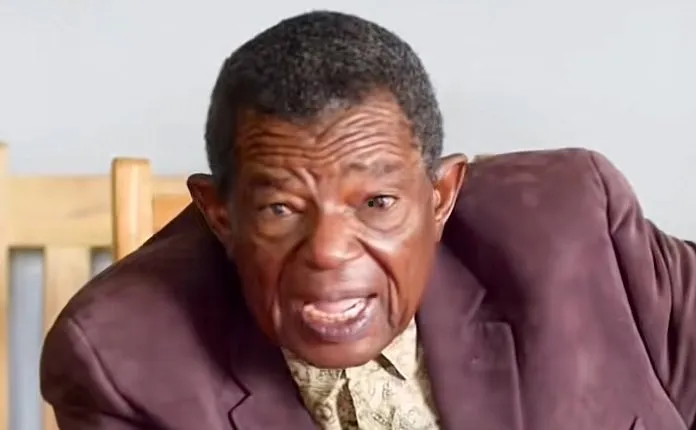
 Blessing Geza (Cde Bombshell): Friend or Foe?
The death of Blessed Runesu Geza on February 6, 2026, has left Zimbabwe grappling with a question that refuses simple answers: was "Cde Bombshell" a courageous truth-teller who found his moral compass in his final days, or an opportunistic insider attempting to rewrite his own compromised history? The answer, perhaps unsatisfyingly, is that he may have been both.
The Insider Who Turned Outward
For decades, Blessing Geza was a man of the system. A liberation war veteran who fought in ZANLA during Zimbabwe's struggle for independence, he transitioned seamlessly into the post-colonial establishment. Rising through ZANU-PF ranks to the Central Committee, allegedly serving in the Central Intelligence Organisation, and playing a role in the 2017 military intervention that removed Robert Mugabe, Geza was no stranger to the corridors of power.
Yet in February 2025, this same insider became the state's most vocal critic. Through broadcasts on Heart & Soul TV, he leveled devastating accusations against President Emmerson Mnangagwa and his inner circle: industrial-scale corruption, involvement in the alleged 2020 poisoning of Vice President Constantino Chiwenga, economic monopolization by connected businessmen like Kudakwashe Tagwirei and Wicknell Chivayo, and the betrayal of liberation ideals.
The specificity of his allegations suggested insider knowledge. The vehemence of his delivery earned him the moniker "Cde Bombshell." But the timing raised uncomfortable questions.
The Deathbed Convert?
Here lies the central tension in evaluating Geza's legacy. Medical sources indicated that doctors had told him months before his activism began that he was dying of cancer. He only revealed this publicly in his final letter, hours before his death in a South African cardiac hospital.
Critics argue this timing is damning. Where was this moral outrage during his years benefiting from the system
? Where was his voice when ordinary Zimbabweans suffered under the very structures he helped maintain? To speak out only when death removes all consequences, they say, is not courage but the desperate legacy-washing of a man who knows history will judge him harshly.
The counterargument is equally compelling. Facing mortality often strips away pretense and political calculation. Perhaps it was precisely because Geza had nothing left to lose that he could finally speak truths he'd witnessed but been complicit in concealing. His willingness to name names, to acknowledge his own regret over removing Mugabe, and to endure the petrol-bombing of his home and the arrest of his wife suggests something beyond mere image management.
The Price of Dissent
Whatever his motivations, Geza paid real costs for his stance. ZANU-PF expelled him in March 2025. Police charged him with incitement to public violence, undermining presidential authority, and terrorism. His home in Sanyati was firebombed. He died in exile, unable to return to the country he claimed to love, while his wife faced arrest.
For a man seeking only to "look good," there were safer paths. He could have remained silent, died quietly with his veteran credentials intact, and been buried with state honors. Instead, he chose confrontation.
Yet the impact of his activism raises further questions. His calls for mass protests on March 31, 2025, and national shutdowns in April largely failed to materialize. While many Zimbabweans reportedly stayed home from work, the scale of mobilization fell far short of his rhetoric. Does this suggest he lacked genuine grassroots credibility, or simply that Zimbabweans have learned bitter lessons about the costs of public protest?
Beyond Binaries: A Complex Legacy
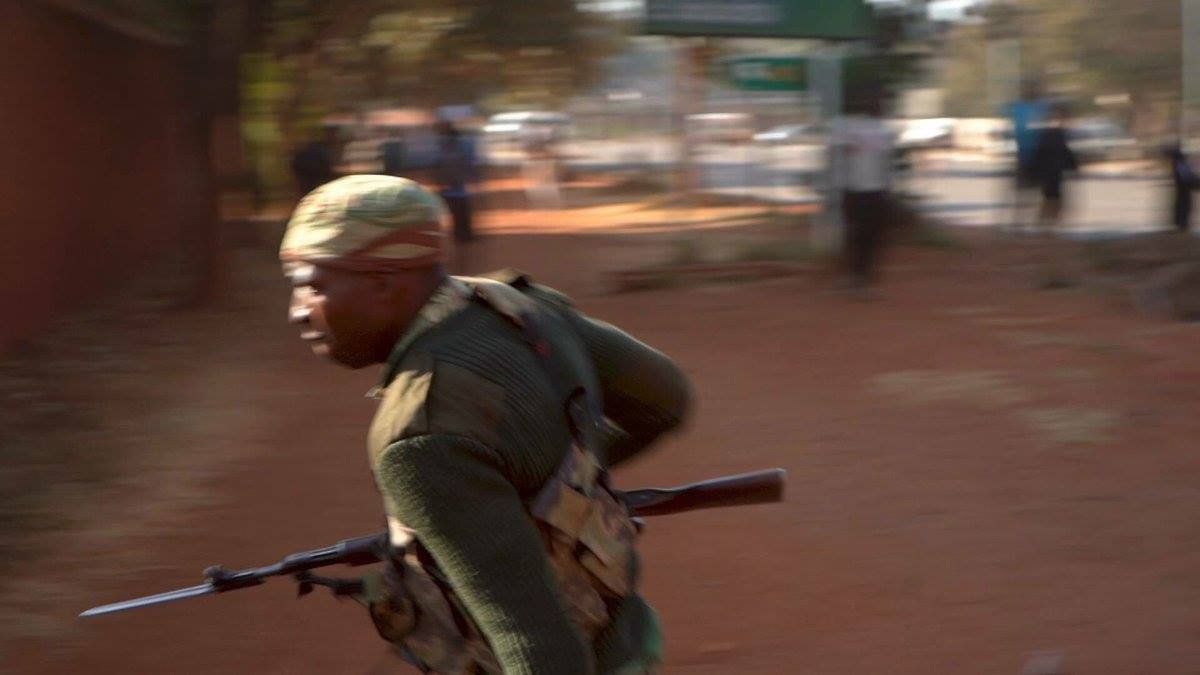 The insistence on categorizing Geza as either friend or foe reflects our human desire for moral clarity. But perhaps the more honest assessment is that he was a deeply flawed man who made a late, incomplete turn toward accountability.
He was complicit in maintaining authoritarian structures for decades. He likely acted partly from factional interests within ZANU-PF power struggles between the Chiwenga and Mnangagwe camps. His criticisms came only when he had no political future to protect. These facts are uncomfortable but true.
Yet he also used his insider status to publicly name specific instances of corruption that few others dared articulate. He acknowledged his own failures rather than posturing as a lifelong dissident. He faced real consequences for his stance, even as death approached. These facts matter too.
What Activists Can Learn
For those fighting for justice in Zimbabwe and beyond, Geza's story offers several lessons:
*Use insider testimony carefully.* His specific allegations about corruption networks have value, regardless of his motivations for sharing them. Document and verify such claims, but don't require the messenger to be pure before the message is useful.
*Expect complexity in defectors.* People who break from authoritarian systems rarely do so from entirely noble motives. Factional disputes, personal grievances, and self-interest often play roles. This doesn't negate the value of what they reveal, but it requires critical engagement rather than uncritical hero worship.
*The struggle preceded and outlives any individual.* Zimbabweans were fighting corruption and authoritarianism long before Geza's 2025 broadcasts, and they continue that fight after his death. His contribution was one voice in a much larger chorus, not the movement itself.
*Deathbed conversions are both suspect and human.* We should be skeptical of those who find their conscience only when facing no consequences, yet we should also recognize that confronting mortality genuinely changes people. Both things can be true.
The Verdict History Will Render
In his final letter, Geza wrote:
"I am old and have played my part. My energy is sapping, and I might not be here for much longer."
He urged Zimbabweans: "Do not let fear engulf you; let it fuel your resolve."
Whether Geza was friend or foe depends partly on what question we're really asking. Friend or foe to whom? To the liberation ideals he invoked? To the ZANU-PF establishment he challenged? To ordinary Zimbabweans seeking accountability? To his own complicated legacy?
Perhaps the most useful answer is this: Geza was a product of Zimbabwe's post-independence contradictions, a man who embodied both the promise and the corruption of the liberation project. In his final act, dying and desperate, he chose to name what he knew rather than take those secrets to his grave. That choice was imperfect, self-interested, and late.
It was also brave.
The question for Zimbabwe is not whether to canonize or condemn Blessing Geza, but whether to act on the corruption he documented and the accountability he demanded. The test of his legacy is not his purity but whether Zimbabweans use the space his defection created, however compromised its origins, to demand the nation they deserve.
Cde Bombshell is gone. The struggle he belatedly joined continues. That may be the most honest epitaph possible—neither friend nor foe, but a complicated man who made a late choice that mattered, even if it couldn't redeem everything that came before.
---
Blessed Runesu Geza (c. 1950s - February 6, 2026) died in exile in South Africa. His legacy remains contested, his accusations unproven in court, and his impact uncertain. What is certain is that Zimbabwe's struggle for accountability and justice long predates him and will long outlive him. The question is whether his generation's failures will finally give way to a different future.