
 Zimbabwean Politics - Vision 2030 & Human Rights Concerns
Zimbabwe’s political situation remains complex and highly debated, especially as the government continues to promote its Vision 2030 plan. Under President Emmerson Mnangagwa and the ruling party ZANU-PF, Vision 2030 aims to transform Zimbabwe into an upper-middle-income country by the year 2030. The plan focuses on economic growth, infrastructure development, and attracting foreign investment. While these goals sound promising, many citizens question whether meaningful development can happen without political reforms and respect for human rights.
In principle, Zimbabwe’s development goals are aligned with the United Nations Sustainable Development Goals, which promote poverty reduction, equality, and improved living standards. However, achieving these goals requires strong institutions, transparency, and accountability. Many Zimbabweans believe that corruption, lack of accountability, and political repression continue to hold the country back.
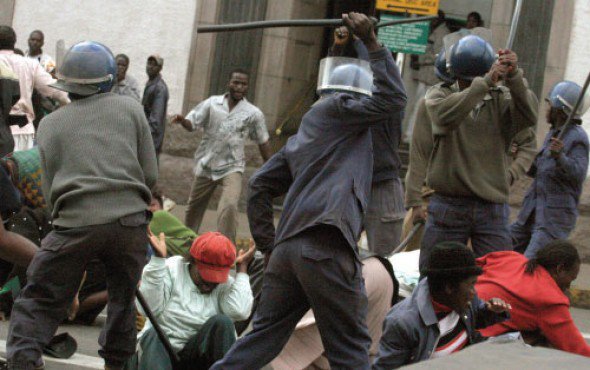
Human Rights remain a major concern. Reports from organizations such as Amnesty International and Human Rights Watch frequently highlight issues including the arrest of opposition members, restrictions on public protests, and intimidation of journalists and activists. In several instances, security forces have been accused of using excessive force against citizens who are expressing dissatisfaction with the government. Such actions create fear and discourage people from freely participating in political life.
Elections have also been controversial. There have been ongoing concerns about fairness, transparency, and the independence of key institutions. When citizens lack confidence in the electoral process, it weakens democracy and undermines trust in national development plans like Vision 2030.
In my view, economic development and human rights cannot be separated. For Zimbabwe to truly achieve its 2030 vision, there must be genuine respect for democratic principles, freedom of expression, and the rule of law. Without addressing these concerns, Vision 2030 risks becoming more of a political slogan than a reality that improves the lives of ordinary Zimbabweans.