
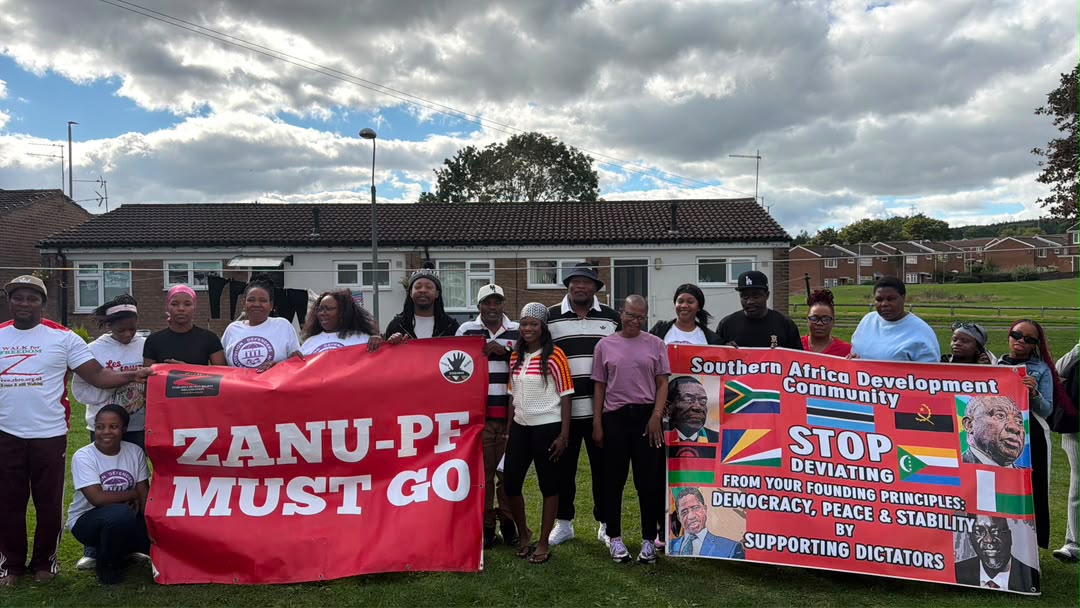
 The Youth Must also be Activists
Know Your Politics:
Why Every Young Person Must Understand the System Before They Can Defend It.
There is a dangerous myth that politics is for old men in suits, for lawyers, for people with grey hair and long titles. Young people are told, directly or indirectly, to stay in their lane to focus on school, on hustling, on “apolitical” ambition. Meanwhile, the decisions that will shape the next fifty years of their lives are being made in parliaments, cabinets, and constitutional committees they were never taught to read.
This is not an accident. An uninformed youth is a convenient youth. A generation that does not know its constitution cannot tell when that constitution is being gutted. A generation that cannot name its representatives cannot hold them accountable. Silence is not neutrality it is surrender by default.
Democracy Dies Quietly, Not Loudly
Coups make headlines. But most erosions of democracy do not look like tanks in the street. They look like a clause quietly amended in a bill few people read. They look like an independent commission “restructured” until it has no teeth. They look like a chairperson removed through an administrative memo instead of due process. By the time the public notices, the damage is already law.
This is why civic literacy cannot be optional for young people. If you do not know what your constitution protects your right to assemble, to speak, to be governed by term limits, to have an independent judiciary you will not recognise the moment those protections are being dismantled in front of you.
What “Knowing Your Politics” Actually Means
It is not enough to know who the president is. Real political literacy means:
Knowing the founding document. Every young person should be able to say, in plain language, what their constitution guarantees them and which chapter protects their fundamental rights.
Following the legislative process. Bills do not become law overnight. There is a window often the only window where public pressure can still change an outcome. Miss that window, and you are left protesting a fact instead of shaping a decision.
Knowing the institutions meant to check power. Human rights commissions, electoral bodies, anti-corruption units, the judiciary these exist precisely so power does not concentrate unchecked. When one of them is weakened or captured, it should set off alarms, not silence.
Tracking who represents you and how they vote. Accountability is impossible without memory. Politicians rely on short public attention spans. Don’t give them that gift.
Why This Falls Hardest on the Youth
Every generation inherits the political architecture the last one built or failed to defend. Amendments passed today, commissions weakened today, precedents set today, will still be governing young people in their forties and fifties. The people negotiating away institutional safeguards will, in most cases, not be the ones living longest with the consequences. Young people will be.
This is also why diaspora youth cannot afford distance. Geography does not cancel citizenship, and silence abroad is often read at home as consent. Whether you are following politics from your home city or from thousands of kilometres away, the same principle holds: understanding precedes defense.
From Awareness to Action
Knowledge that stays in your head changes nothing. Political literacy is only the first step. It must translate into:
Public education explaining, in language people actually use, what a bill or amendment means for ordinary lives.
Organised pressure petitions, parliamentary engagement, coalition-building with civic and human rights organisations, and formal correspondence to bodies with real leverage.
Documentation naming what happened, who was responsible, and when, so that history cannot be quietly rewritten later.
Solidarity no single voice moves an entrenched system. Movements do.
Defending democracy is not a single dramatic act. It is thousands of informed citizens refusing to look away from the small print.
A Case Study: CAB3 and the Chapter 4 Movement
Zimbabwe’s Constitutional Amendment Bill No. 3 — CAB3 is exactly the kind of quiet erosion this article is warning about. It moved through the legislative process, gathered presidential assent on 8 July 2026, and became Act No. 6 of 2026 all while most citizens, at home and in the diaspora, were preoccupied with the ordinary business of survival. By the time its implications were widely understood, it was no longer a bill open for public pressure, It was law.
This is precisely why Chapter 4 of Zimbabwe’s 2013 Constitution, the Declaration of Rights needs defending because democracy starts with knowing exactly what is written down and what is at stake .The accountability trail is instructive for any young person learning to watch power. When the Zimbabwe Gender Commission faced near-abolition through merger, when ZHRC Chairperson Fungayi Jessie Majome was removed through an administrative process rather than due course, when the Lake Kariba ferry disaster exposed how little accountability follows even preventable tragedy none of these arrived with sirens. Each was a clause, a memo, a quiet restructuring. Each depended on the public not looking closely enough, soon enough.
Youth who understood Chapter 4 were the ones able to name what was happening in real time to write formal letters to bodies like the FCDO Africa Minister, to engage UN Special Rapporteurs and African Commission mechanisms, to organise petitions and press statements before the window closed. That is the difference constitutional literacy makes: the gap between protesting a law after assent, and shaping it before.
The Cost of Staying Uninformed
Every constitutional protection that has ever been stripped away was, at some point, defended by a generation that thought they had time to learn later. There is no “later” in constitutional erosion. Once a right is amended out, once a commission is gutted, once an independent voice is removed reclaiming it costs infinitely more than defending it would have.
Young people are not too young to understand power. They are, in fact, the ones with the most at stake in how it is used. The question is not whether youth should be political. Politics already is deciding their future. The only real question is whether they will understand it well enough to defend it or find out, too late, what was taken while they weren’t watching.
Mobilize. Educate. Defend.
#DefendTheConstitution #NoTo2030 #WalkForFreedom
From.
Felistas W Munemo and Felicia W Munemo.